Basement Insulation in El Segundo, CA
Energy-Saving Basement Insulation for El Segundo, CA Homes — Licensed & Insured
Need basement insulation in El Segundo, CA? Cool Zone Insulation provides expert spray foam, rigid board & crawl space solutions. Call (310) 861-9135 for a free estimate.
Basement insulation is the process of applying thermal and moisture-resistant materials to the walls, ceiling, and floor of a below-grade or semi-below-grade space to regulate temperature, prevent moisture intrusion, and improve overall energy efficiency. In El Segundo, CA — a coastal city situated between Los Angeles International Airport and the Pacific Ocean — basements and below-grade utility spaces face a uniquely challenging environment defined by marine air, salt-laden humidity, and clay-heavy soils that retain groundwater year-round.
Cool Zone Insulation specializes in basement insulation solutions specifically engineered for El Segundo’s coastal Southern California climate. Our technicians understand the local building stock, from the post-World War II residential construction near Standard Street to the industrial-adjacent properties along Sepulveda Boulevard, and we tailor every project to the specific moisture and thermal demands of this community. Whether you are dealing with a damp utility basement, an uninsulated crawl space, or a finished lower level losing heat, Cool Zone Insulation delivers results built to last in this coastal environment. Call us today at (310) 861-9135.
Understanding Basement Insulation
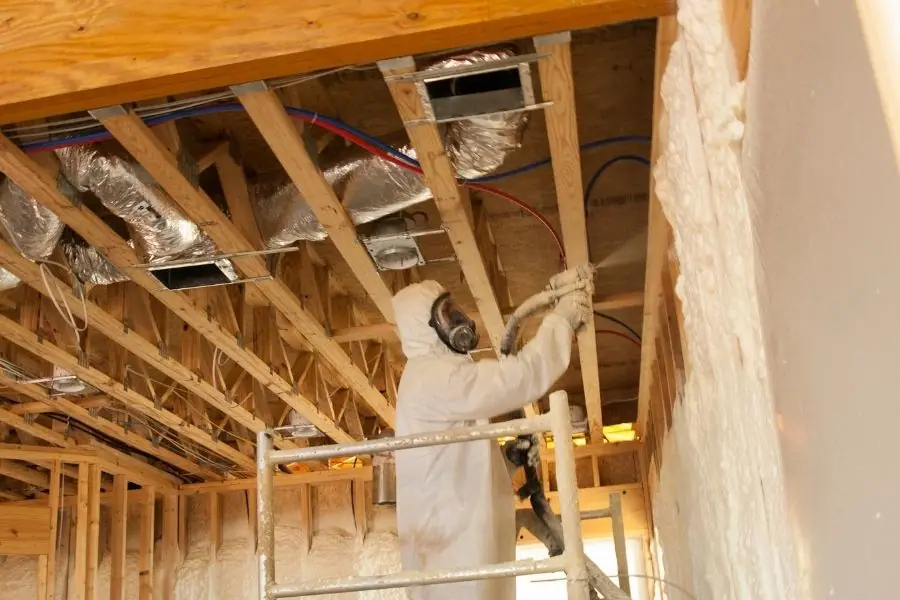
Basement insulation encompasses any material or system installed in a below-grade or partially below-grade space to slow the transfer of heat, resist moisture vapor, and create a controlled indoor environment. The core principle is straightforward: soil temperatures around a basement remain relatively stable year-round, but without proper insulation, that stability works against homeowners — allowing cold, damp conditions to migrate inward during winter and trapping stale, humid air during warmer months.
The concept of insulating below-grade spaces evolved significantly after the 1970s energy crisis prompted the U.S. Department of Energy to develop updated building performance standards. Prior to the 1980s, most residential construction in Southern California — including El Segundo — treated basements as purely functional storage or utility areas, leaving concrete or block walls completely uninsulated. The assumption was that Southern California’s mild weather made basement insulation unnecessary. Decades of energy audits have since proven otherwise, particularly in coastal microclimates like El Segundo’s where marine layer conditions persist for much of the year.
Read moreShow less
Modern basement insulation relies on several material categories. Rigid foam board insulation, typically extruded polystyrene (XPS) or expanded polystyrene (EPS), is applied directly to concrete walls and provides a vapor-resistant thermal barrier. Spray polyurethane foam (SPF) seals irregular surfaces and fills gaps where moisture and air commonly infiltrate. Fiberglass batt and mineral wool are used in framed wall assemblies inside the basement perimeter. Each material carries a specific R-value — a measurement of thermal resistance — and the appropriate R-value for El Segundo basements typically falls between R-10 and R-19 for walls, according to the California Energy Commission’s Climate Zone 8 guidelines that govern most of the South Bay coastal area.
El Segundo’s building stock includes a meaningful mix of residential homes with partial basements or deep crawl spaces, utility structures tied to the nearby Chevron refinery corridor, and mid-century commercial buildings along Imperial Highway. Each building type presents distinct insulation challenges that require professional assessment before material selection begins.
Why Basement Insulation Is Needed in El Segundo, CA
Marine Layer and Persistent Coastal Humidity
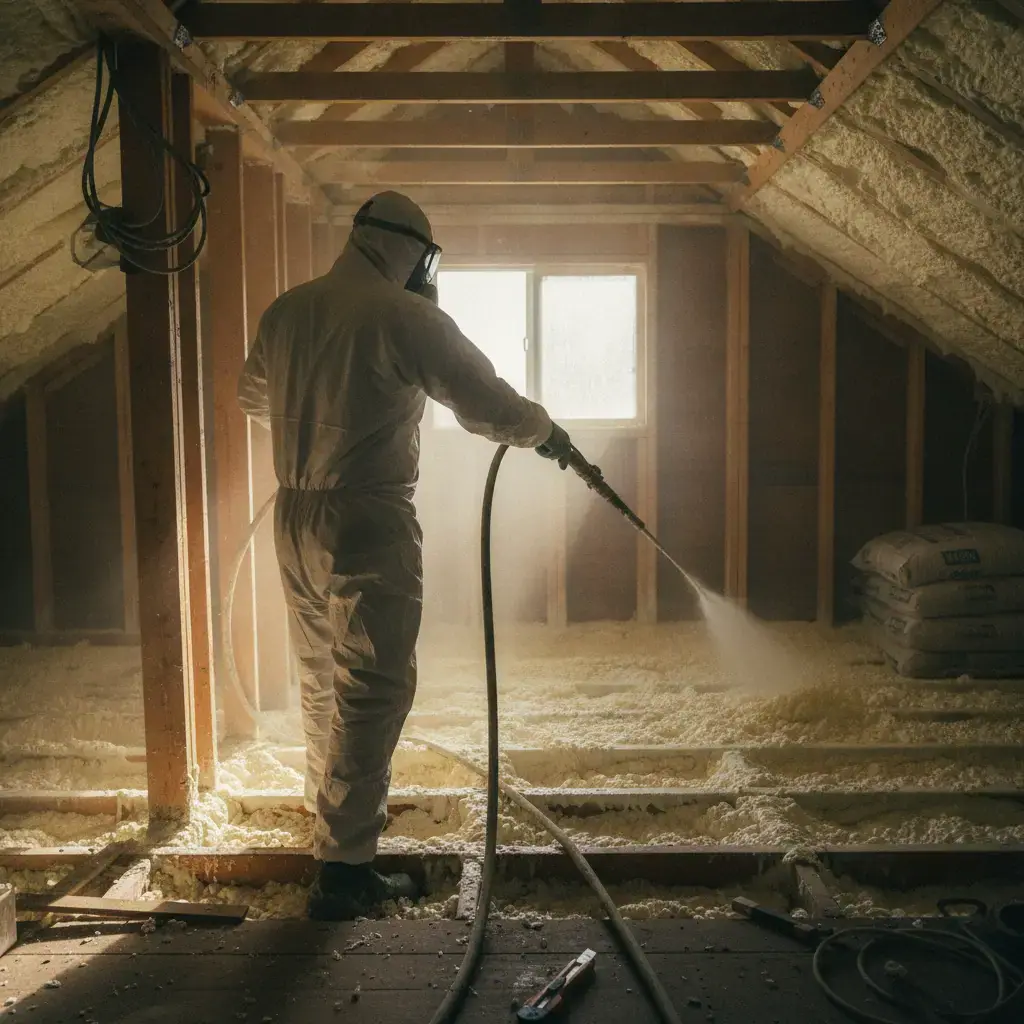
El Segundo sits directly downwind of the Pacific Ocean, and the marine layer — a shallow band of low clouds and fog — blankets the city for an average of 180 to 200 days per year, with peak intensity during the May Gray and June Gloom periods that typically run from late May through early July. Relative humidity in El Segundo regularly reaches 85 to 95 percent during overnight and early morning hours throughout this period. Uninsulated basement walls allow moisture vapor to condense on cold concrete surfaces, creating the conditions for mold growth, efflorescence (mineral salt deposits on masonry), and structural dampness. Proper vapor-retarding insulation breaks the condensation cycle by keeping wall surfaces at or above the dew point temperature.
LAX Flight Path Vibration and Soil Disruption
El Segundo lies directly beneath the northern flight approach to Los Angeles International Airport, one of the busiest airports in the world. Aircraft operating on the north runways routinely pass at altitudes between 500 and 800 feet above the city’s residential neighborhoods, including the area bounded by Eucalyptus Drive and Holly Avenue. The repeated low-frequency vibration associated with aircraft operations can over time contribute to micro-cracking in concrete block basement walls, creating pathways for moisture intrusion and air leakage that compromise uninsulated or poorly insulated spaces. Cool Zone Insulation accounts for these hairline intrusion points during the assessment phase of every El Segundo project.
Expansive Marine Clay Soils
The predominant soil type across El Segundo and much of the South Bay coastal plain is a marine clay and silty loam deposited during the Pleistocene epoch. These soils, documented in the Los Angeles County soil survey as Ramona sandy loam and Marina loamy sand with clay subsoil layers, are moderately expansive — meaning they absorb water during the rainy season (typically November through March) and shrink during dry months. This seasonal movement applies hydrostatic pressure to basement walls and can force groundwater and moisture vapor through block or poured-concrete walls at rates exceeding 10 to 12 pints of water vapor per 1,000 square feet per day in older, uninsulated structures.
Proximity to Refinery Infrastructure
El Segundo is home to one of California’s largest petroleum refineries, operating along the western edge of the city near Vista Del Mar. Industrial activity in this corridor has historically contributed to elevated ground-level particulate and hydrocarbon vapor concentrations in surrounding neighborhoods, including areas of the city’s older residential core. Properly insulated and air-sealed basements reduce the infiltration of outdoor air quality concerns into living spaces, a benefit that is particularly relevant for El Segundo residents living within a half-mile of the industrial zone along the western shore.
Post-Northridge Seismic Retrofitting
Following the January 1994 Northridge earthquake, which caused measurable structural damage to buildings across the South Bay, many El Segundo homeowners undertook foundation bolting and cripple wall bracing projects. These retrofits, while essential for seismic safety, often left basement and crawl space areas partially open or re-framed in ways that created new air leakage pathways. Buildings that underwent seismic retrofitting without concurrent insulation upgrades often show measurably higher energy use and moisture accumulation in their below-grade spaces today.
Free, no-obligation estimates
Talk to Cool Zone Insulation
Tell us what you need and we’ll take it from there.
Signs You Need Basement Insulation in El Segundo
Moisture and Water-Related Symptoms
- White chalky deposits (efflorescence) appearing on concrete or block basement walls
- Visible condensation or water droplets on wall surfaces during morning hours
- Musty or earthy odors rising from the basement into living areas above
- Visible mold or mildew colonies on walls, floor joists, or stored items
- Damp or soft drywall at the base of first-floor walls adjacent to the basement perimeter
Energy and Comfort Symptoms
- Noticeably cold floors on the first level during El Segundo’s winter months (December through February)
- Disproportionately high natural gas or electric bills during mild weather periods
- HVAC system cycling more frequently than expected to maintain set temperatures
- Drafts noticeable at floor level near exterior basement walls
Urgency Indicators
- Active mold growth visible on more than 10 square feet of surface area — requires immediate remediation before insulation
- Standing water or chronic seepage following seasonal rainfall events
- Insulation that is visibly wet, compressed, or falling from floor joists
If you recognize two or more of these symptoms, a professional basement insulation assessment is strongly recommended. Schedule your free assessment today
Basement Insulation Methods and Approaches
Spray Foam Insulation
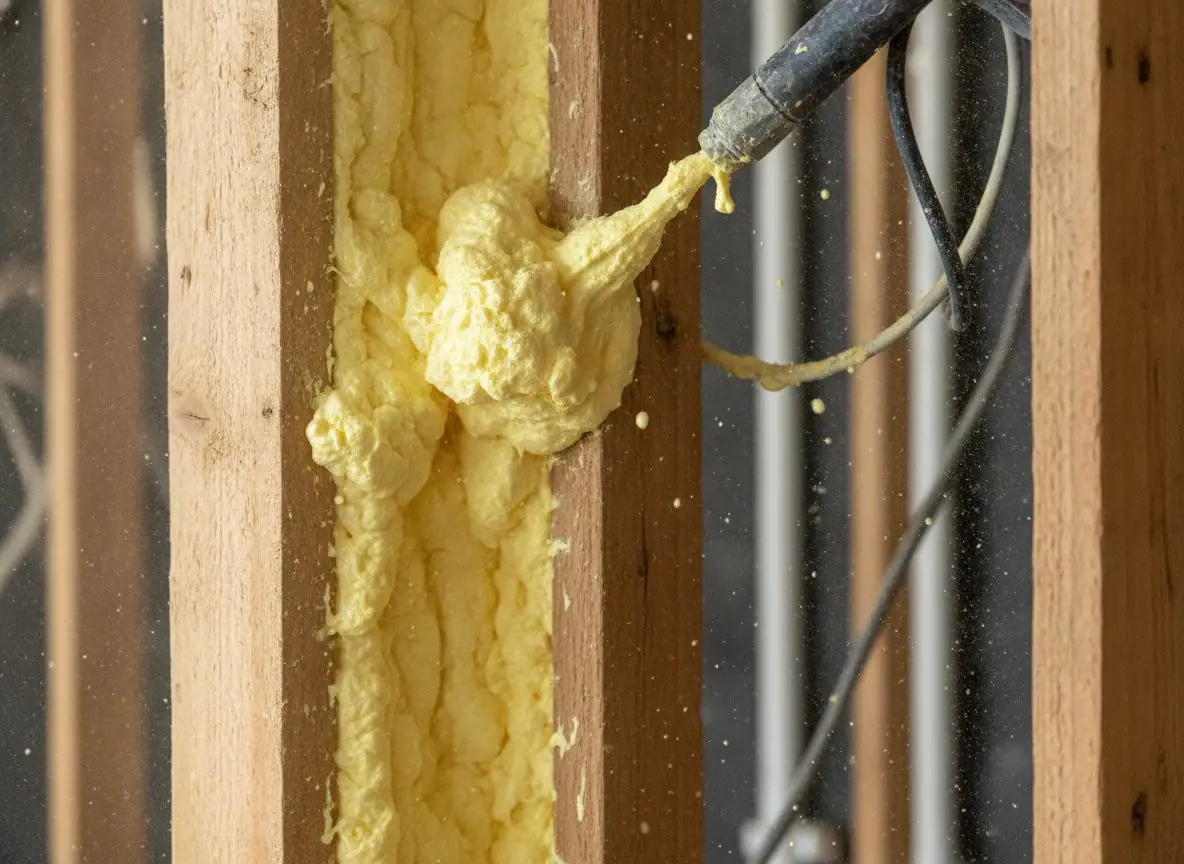
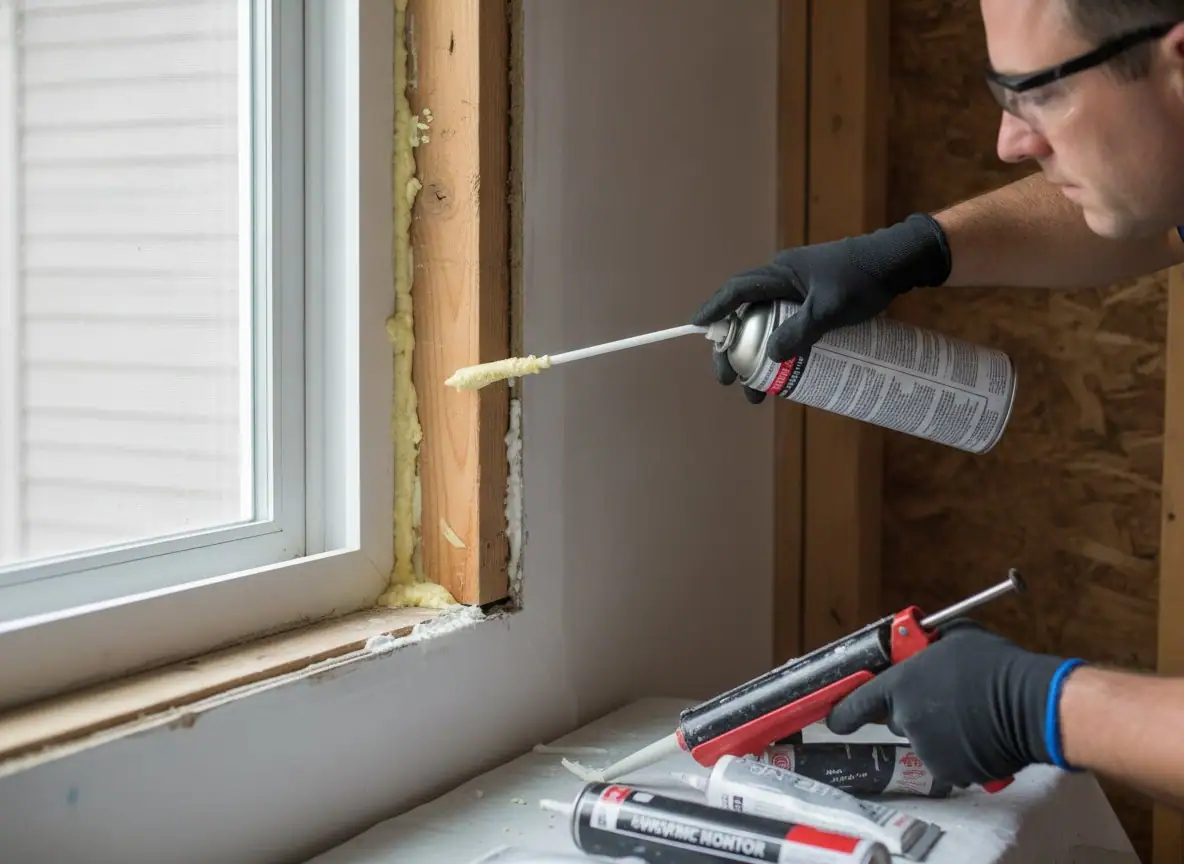
Closed-cell spray polyurethane foam is the most moisture-resistant insulation option available and is particularly well-suited to El Segundo’s marine climate. Closed-cell SPF achieves R-6 to R-7 per inch, provides an integrated vapor retarder at 2 inches of thickness, and bonds directly to concrete and masonry surfaces. It is the preferred choice for basement walls showing any history of moisture intrusion. Learn more about our spray foam insulation services
Learn moreRigid Foam Board Insulation
Extruded polystyrene (XPS) panels, typically 2 to 3 inches thick achieving R-10 to R-15, are mechanically fastened or adhesive-set to basement walls and provide excellent long-term moisture resistance. This approach is cost-effective for large, flat wall areas common in El Segundo’s mid-century block construction homes.
Blown-In Insulation
Cellulose or fiberglass blow-in insulation is most applicable to basement ceiling assemblies — insulating the floor above from below — particularly in homes where the basement remains unconditioned. This method fills irregular joist bay shapes efficiently. Explore our blow-in insulation options
Crawl Space Encapsulation
Many El Segundo properties feature deep crawl spaces rather than full basements. Encapsulation combines a heavy-gauge polyethylene vapor barrier on the ground plane with rigid foam or spray foam on the perimeter walls, effectively converting the crawl space into a semi-conditioned environment. This dramatically reduces moisture and pest intrusion. View our crawl space encapsulation services
Learn moreBasement Insulation Cost in El Segundo, CA
Understanding the cost of basement insulation helps homeowners plan and budget effectively. Pricing in El Segundo reflects both the material costs specific to coastal-grade products and the regional labor market of the Los Angeles South Bay.
Typical Price Ranges
- Spray foam insulation (closed-cell, basement walls): $3.00 to $5.50 per board foot installed, or approximately $4,500 to $9,000 for a typical 800 to 1,200 square foot El Segundo basement
- Rigid foam board insulation: $1.50 to $3.00 per square foot installed, totaling approximately $1,800 to $4,500 for a standard basement wall perimeter
- Blown-in insulation (ceiling/floor application): $1.00 to $2.00 per square foot, or $800 to $2,400 for a typical application
- Crawl space encapsulation: $3,500 to $8,000 depending on square footage, access difficulty, and ground condition
- Insulation removal and replacement: Add $0.75 to $1.50 per square foot for removal of deteriorated existing insulation prior to new installation
Read moreShow less
Cost Factors Specific to El Segundo
Coastal-grade materials rated for high-humidity environments carry a 10 to 15 percent material premium over standard inland-grade products, a cost that is justified by extended service life in El Segundo’s marine conditions. Homes near the airport corridor may require additional air sealing work to address vibration-related penetrations. Older homes in the Holly Glen neighborhood, built in the 1950s and 1960s, sometimes require asbestos testing of existing insulation before removal can begin, adding $200 to $500 to project cost.
Call (310) 861-9135 for a no-obligation on-site estimate. Request a free quote
El Segundo Neighborhoods We Serve
Holly Glen
Holly Glen, bounded roughly by Holly Avenue to the north and El Segundo Boulevard to the south, contains some of El Segundo’s oldest residential housing stock — primarily post-World War II single-family homes built between 1945 and 1965. These properties frequently have partial basements or deep crawl spaces with original fiberglass batts that have long since deteriorated from marine moisture exposure. Insulation replacement is the most common service request in this neighborhood.
The Park and Civic Center Area
Properties surrounding Recreation Park and the El Segundo Civic Center include a mix of 1950s ranch-style homes and some 1970s-era additions. Below-grade utility spaces in this area frequently show evidence of hydrostatic pressure from the clay-rich soils that dominate the inland portions of the city. Vapor management is a priority in these installations.
Standard Street Corridor
The residential areas along Standard Street and neighboring blocks include some of El Segundo’s newer infill construction from the 1980s and 1990s, as well as renovated older properties. Crawl space insulation and encapsulation are common needs, particularly in homes that back up to the commercial alley corridors where drainage patterns create localized moisture challenges.
Basement Insulation Maintenance Tips for El Segundo Homeowners
- Inspect annually for moisture after the rainy season — conduct a visual check of basement walls and insulation each April after winter rainfall to catch any new seepage or condensation patterns before summer humidity compounds the issue.
- Monitor the marine layer calendar — during May Gray and June Gloom, check that basement vents (if present) are functioning and not blocked, as reduced airflow during prolonged overcast periods elevates indoor humidity.
- Keep gutters and downspouts clear — El Segundo’s seasonal storms in January and February are brief but intense; ensure downspout extensions direct water at least 6 feet from the foundation to reduce hydrostatic pressure on basement walls.
- Check for efflorescence annually — white mineral deposits on basement walls are an early warning of moisture migration through masonry. Address the cause before insulation is compromised.
- Avoid storing materials directly against insulated walls — leave 2 to 3 inches of clearance to allow air circulation and to simplify future inspections.
- Test basement humidity seasonally — a simple digital hygrometer should read below 60 percent relative humidity in a well-insulated El Segundo basement. Readings above 70 percent warrant investigation.
- Inspect rim joist insulation after seismic events — even minor earthquakes can dislodge cut-and-cobble foam assemblies at the rim joist; re-inspection after any felt seismic activity is prudent.
Why Choose Cool Zone Insulation for Basement Insulation in El Segundo
Cool Zone Insulation is a locally operated insulation contractor serving El Segundo and the broader South Bay coastal corridor, including communities from Marina del Rey to Redondo Beach and Torrance. Our technicians work in El Segundo’s specific coastal climate every week and understand how marine humidity, expansive clay soils, and proximity to LAX infrastructure affect insulation performance in this city in ways that no inland contractor can replicate from experience alone.
We offer a complete range of insulation services — from spray foam and rigid board installation to blow-in insulation, crawl space encapsulation, and full insulation removal and replacement — so that every aspect of your below-grade insulation project is handled by a single, accountable team. We do not subcontract our core installation work.
Read moreShow less
Our assessment process is honest and thorough. We will tell you when a moisture problem needs to be solved before insulation begins, because we want your installation to perform for decades, not months. For El Segundo homeowners who want a contractor that understands their specific coastal building environment, Cool Zone Insulation is the clear choice. Call us at (310) 861-9135 to schedule your assessment. Learn more about Cool Zone Insulation
FAQ
Frequently Asked Questions — Basement Insulation in El Segundo, CA
How much does basement insulation cost in El Segundo?
Costs vary by method and project scope. Spray foam insulation for a typical El Segundo basement runs $4,500 to $9,000. Rigid foam board installations typically range from $1,800 to $4,500. Crawl space encapsulation projects range from $3,500 to $8,000. Coastal-grade material requirements in El Segundo add roughly 10 to 15 percent to standard pricing. We provide free on-site estimates — call (310) 861-9135 to schedule yours.
How long does basement insulation installation take in El Segundo?
Most standard basement insulation projects in El Segundo are completed in one to two days of installation work. Larger projects or those requiring pre-installation moisture remediation may extend to three to five days total. We provide a project timeline in writing with every proposal.
Is basement insulation necessary in El Segundo given the mild Southern California climate?
Yes — and El Segundo’s coastal climate makes it more necessary than many inland locations, not less. The persistent marine layer drives high basement humidity levels for 180 to 200 days annually. Without proper insulation and vapor management, uninsulated El Segundo basements are highly susceptible to mold, structural moisture damage, and energy loss through cold concrete walls even when outdoor temperatures seem moderate.
What R-value do I need for basement insulation in El Segundo?
El Segundo falls within California Energy Commission Climate Zone 8. For basement and below-grade walls, the recommended minimum is R-10, and R-13 to R-19 is preferable for maximum comfort and energy performance. Rim joist areas should achieve a minimum of R-13. Our assessors specify the appropriate R-value for your specific building conditions.
Can I insulate my El Segundo basement if there is existing moisture?
Not without addressing the moisture source first. Installing insulation over active moisture intrusion traps water, accelerates mold growth, and voids most material warranties. Cool Zone Insulation always addresses and confirms moisture resolution before insulation installation begins. We can coordinate or assist with waterproofing referrals if needed.
Do you serve areas near El Segundo like Hawthorne or Manhattan Beach?
Yes. Cool Zone Insulation serves the entire South Bay coastal corridor, including Manhattan Beach, Hawthorne, Hermosa Beach, Redondo Beach, Torrance, Inglewood, Gardena, Culver City, Playa del Rey, Westchester, Marina del Rey, Lawndale, Ladera Heights, and Palos Verdes Estates, in addition to El Segundo. View our full service area
What is the difference between crawl space encapsulation and basement insulation?
Basement insulation focuses on the walls, ceiling, and floor of an enclosed below-grade living or utility space. Crawl space encapsulation addresses open, low-clearance under-floor areas by sealing the ground with a heavy vapor barrier and insulating the perimeter walls. Many El Segundo homes have crawl spaces rather than full basements, and both services are offered by Cool Zone Insulation. Learn about crawl space insulation options
Will basement insulation help with the noise from LAX flight paths?
Insulation materials — particularly dense-pack and spray foam — provide measurable acoustic benefits in addition to thermal and moisture performance. While basement insulation is not a primary soundproofing solution, homeowners in El Segundo’s airport noise corridor often report a noticeable reduction in low-frequency sound transmission after spray foam installation, especially at rim joist and wall penetration areas where air gaps had previously allowed sound to travel freely.
Get Professional Basement Insulation in El Segundo Today
If your El Segundo home has a damp, drafty, or under-performing basement or crawl space, Cool Zone Insulation is ready to help. We bring hands-on experience with the coastal conditions, clay soils, and mid-century building stock that define El Segundo’s residential neighborhoods — and we bring that knowledge to every project we complete.
Do not let another marine layer season drive moisture and energy loss through uninsulated below-grade spaces. Contact Cool Zone Insulation today for a free, no-obligation on-site assessment and written estimate.
Call us at (310) 861-9135 — our team is available to schedule your El Segundo basement insulation assessment and answer any questions about materials, timelines, and pricing.
Request your free estimate online
Get in touch
Find insulation help near you
Request a free estimate online or give us a call — our team will follow up quickly.
- Call us(310) 861-9135
- Visit2333 Utah Ave, El Segundo, CA 90245
- HoursMon-Sun 07:00-19:00