Insulation Materials & Types in El Segundo, CA
Energy-Saving Insulation Materials & Types in El Segundo for El Segundo, CA Homes — Licensed & Insured
Learn which insulation materials work best for El Segundo’s coastal climate. Compare R-values, costs, and applications. Free assessment: 310-861-9135.
Choosing the right insulation material for your El Segundo home is more nuanced than it might seem. Situated along the Southern California coast, El Segundo experiences a mild Mediterranean climate — but that doesn’t mean insulation is optional. Summer afternoons can push inland-facing attics past 140°F, while cool marine layer mornings bring moisture-laden air that can degrade poorly chosen materials over time. Coastal humidity, salt air, and the occasional Santa Ana wind event all influence how different insulation materials perform and how long they last.
R-value is the standard measure of an insulation material’s thermal resistance — the higher the number, the better it resists heat flow. For El Segundo homeowners, selecting the correct R-value for each area of the home (attic, walls, crawl space) directly affects comfort, energy bills, and HVAC longevity. California’s Title 24 energy code sets minimum R-value requirements that vary by application and climate zone.
This guide covers every major insulation material available to El Segundo homeowners — what each one is, where it performs best, and how it holds up in this specific coastal climate.
Understanding Insulation Types for El Segundo Homes
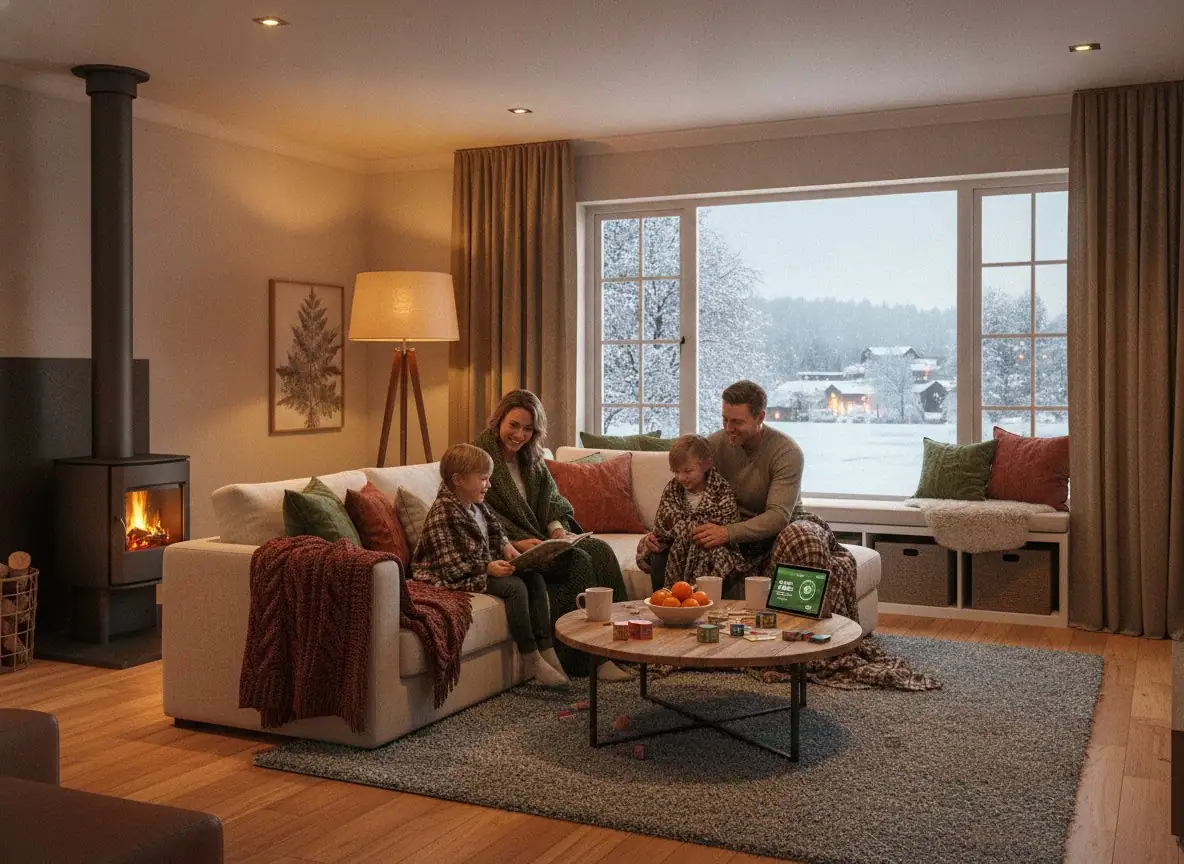
El Segundo falls within California’s Climate Zone 8, a designation that accounts for the area’s mild temperatures, marine influence, and relatively low humidity compared to inland regions. Despite these moderate conditions, homes here still face meaningful energy loss — especially in older construction. Much of El Segundo’s housing stock dates from the 1940s through the 1970s, an era when insulation standards were minimal or nonexistent. Many of these homes have little to no wall insulation and inadequate attic coverage.
Insulation materials generally fall into several broad categories: spray foam (open-cell and closed-cell), blown-in loose-fill (fiberglass or cellulose), batt insulation (fiberglass or mineral wool), rigid foam board, and cellulose. Each category differs in R-value per inch, moisture resistance, installation method, fire rating, and cost.
California’s Title 24 Building Energy Efficiency Standards govern minimum insulation requirements for new construction and major renovations. For Climate Zone 8, attic insulation is typically required at R-38 or higher, while wall cavities generally require R-13 to R-21. Local building permits may require inspections to verify compliance.
For older El Segundo homes, the practical challenge is often retrofitting insulation into existing wall cavities, accessible attic spaces, and sometimes tight crawl spaces — factors that heavily influence which material makes the most sense for a given project.
How El Segundo’s Climate Affects Your Insulation Material Choice
El Segundo’s location in Climate Zone 8 shapes insulation decisions in several important ways. The marine layer keeps summer temperatures moderate at ground level, but attic spaces — particularly those with dark roofing — can reach extreme temperatures, driving up cooling loads significantly. Prioritizing a high-R-value attic solution, whether blown-in cellulose or fiberglass, is often the single highest-return upgrade for local homeowners.
Coastal proximity means salt-laden air and elevated relative humidity compared to inland Southern California. Closed-cell spray foam and mineral wool both handle this environment particularly well due to their inherent moisture resistance. Cellulose and open-cell foam perform acceptably but require careful moisture management strategies.
Read moreShow less
Wildfire risk in El Segundo itself is relatively low compared to hillside communities, but Santa Ana wind conditions can bring embers from surrounding areas. Non-combustible materials like mineral wool and fiberglass provide a passive layer of fire resistance, especially in attic and exterior wall assemblies.
For new construction or major renovations, combining rigid foam board on the exterior (continuous insulation) with batt or blown-in insulation in the cavity is an increasingly common approach that exceeds Title 24 requirements and may qualify for utility rebates through Southern California Edison. For existing homes, dense-pack blown-in or drill-and-fill spray foam offers retrofitting options without major demolition.
Crawl spaces — where present — benefit from closed-cell spray foam or XPS rigid board given ground moisture exposure. Matching the right material to each specific building assembly is the key to long-term performance in El Segundo.
Free, no-obligation estimates
Talk to Cool Zone Insulation
Tell us what you need and we’ll take it from there.
Insulation Materials Available in El Segundo, CA
Spray Foam Insulation
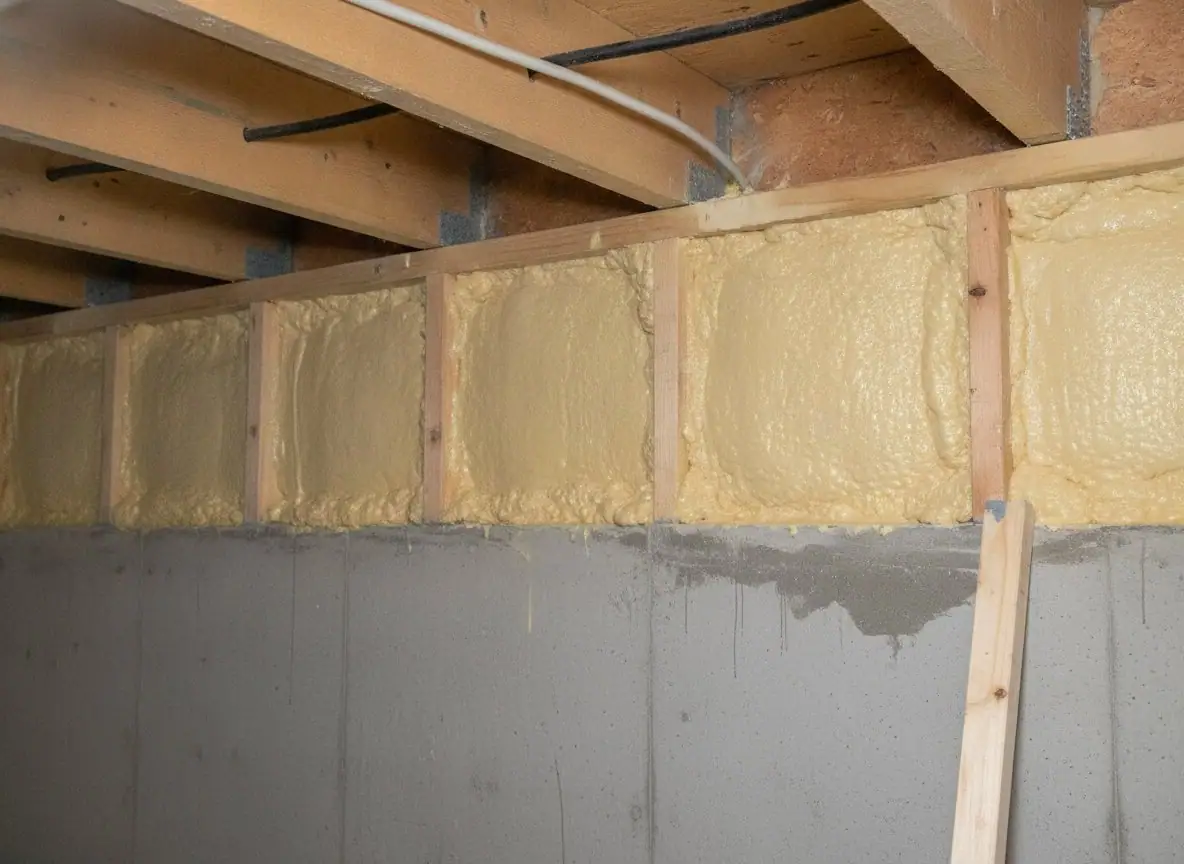
Spray polyurethane foam (SPF) is applied as a liquid that expands into a solid, filling gaps and creating an air seal simultaneously. It comes in two forms: open-cell (R-3.7 per inch) and closed-cell (R-6 to R-7 per inch). For El Segundo’s coastal environment, closed-cell spray foam offers a significant advantage — it is highly moisture-resistant, making it ideal for homes exposed to salt air and marine humidity. It also adds structural rigidity to wall sheathing. Open-cell is more affordable and works well in interior applications where moisture is less of a concern. Best applications include attic rooflines, rim joists, and existing wall cavities via drill-and-fill methods. Approximate installed cost: open-cell $1.50–$2.50/sq ft; closed-cell $3.00–$5.00/sq ft.
Learn moreBlown-In (Loose-Fill) Insulation
Blown-in insulation — typically fiberglass or cellulose — is installed using pneumatic equipment that distributes loose material evenly across attic floors or into wall cavities. Fiberglass loose-fill achieves R-2.2 to R-2.7 per inch; cellulose reaches R-3.2 to R-3.8 per inch. For El Segundo attics, blown-in insulation is one of the most cost-effective ways to reach the Title 24-required R-38 threshold. It conforms well to irregular joist spacing common in older homes. Moisture management is important — blown-in materials can absorb water if not paired with proper vapor control. Best for: open attic floors, existing wall cavities (dense-pack method), and hard-to-reach spaces. Approximate installed cost: $1.00–$2.50/sq ft depending on depth and material.
Fiberglass Batt Insulation
Fiberglass batts are pre-cut blankets of spun glass fibers, available in standard widths to fit between studs and joists. R-values range from R-11 (3.5-inch batt) to R-38 (12-inch batt). They are among the most widely recognized and cost-accessible insulation options. For El Segundo homes, fiberglass batts work well in open wall cavities during new construction or gut renovations. They are non-combustible and do not absorb moisture, though they lose effectiveness if compressed or if there are air gaps. Coastal humidity is generally tolerable for fiberglass, but proper installation is critical. Best applications: new construction walls, accessible attic spaces, garage ceilings. Approximate installed cost: $0.50–$1.50/sq ft.
Mineral Wool / Rockwool Insulation
Mineral wool (commonly sold as Rockwool) is made from spun volcanic rock or industrial slag. It achieves R-3.0 to R-3.3 per inch and offers standout advantages for El Segundo homeowners: it is inherently fire-resistant (rated to over 1,400°F), water-repellent, and an excellent sound absorber. Given that El Segundo neighbors LAX and certain industrial zones, the acoustic properties alone make mineral wool compelling for exterior walls. It also handles coastal moisture well without degrading. Mineral wool batts are denser and more rigid than fiberglass, making them slightly easier to install without sagging. Best applications: exterior walls, party walls, garage separations, and areas with fire risk concerns. Approximate installed cost: $1.00–$2.00/sq ft.
Cellulose Insulation
Cellulose is produced from recycled paper fiber treated with borate-based fire retardants. It achieves R-3.2 to R-3.8 per inch — among the highest per-inch values of any loose-fill product. Cellulose is an environmentally friendly choice and performs well in El Segundo’s mild climate. Its dense-pack application in wall cavities effectively eliminates air infiltration, a key benefit in older homes with leaky framing. The main caution in coastal climates: cellulose can absorb moisture if bulk water intrusion occurs, so it should not be used in areas prone to leaks without appropriate moisture barriers. Best applications: attic floors, dense-pack wall retrofits, and floor assemblies over crawl spaces. Approximate installed cost: $1.00–$2.00/sq ft.
Foam Board (Rigid) Insulation
Rigid foam panels — including expanded polystyrene (EPS, R-3.8/inch), extruded polystyrene (XPS, R-5/inch), and polyisocyanurate (polyiso, R-6 to R-6.5/inch) — provide high R-value in thin profiles. They are ideal for applications where space is limited, such as exterior wall sheathing, under-slab installation, or basement walls (uncommon in El Segundo but relevant for additions). In Southern California, polyiso is widely used in low-slope roofing assemblies. XPS offers strong moisture resistance, making it suitable for crawl spaces in coastal settings. Foam boards must be covered with fire-rated materials per code when used in occupied spaces. Best applications: exterior continuous insulation, crawl space walls, roof decks. Approximate installed cost: $1.50–$4.00/sq ft depending on type and thickness.
Why El Segundo Homeowners Trust Cool Zone Insulation for Insulation
Cool Zone Insulation brings specialized knowledge and hands-on experience to every insulation project in El Segundo and the surrounding South Bay area. Here is what sets our team apart:
Expertise Across All Insulation Types:
Expertise Across All Insulation Types:Our crew is trained and experienced in every major insulation material — spray foam, blown-in, batts, mineral wool, cellulose, and rigid board — so you receive an honest, unbiased material recommendation rather than a one-size-fits-all approach.
Licensed and Insured:
Licensed and Insured:Cool Zone Insulation holds all required California contractor licenses and maintains full general liability and workers’ compensation insurance, protecting you and your property throughout every project.
Manufacturer-Certified Installers:
Manufacturer-Certified Installers:Our technicians complete manufacturer training programs, ensuring insulation is installed to specification and that product warranties remain valid.
Free Insulation Assessment:
Free Insulation Assessment:We offer complimentary on-site evaluations to identify your home’s current insulation levels, air leakage points, and the highest-priority upgrade areas.
Warranty Coverage:
Warranty Coverage:All installations include workmanship warranties, and we work exclusively with products backed by manufacturer material guarantees.
Local Energy Code and Rebate Knowledge:
Local Energy Code and Rebate Knowledge:We stay current on California Title 24 requirements and actively help homeowners identify Southern California Edison rebates and available federal tax credits to reduce project costs.
FAQ
Insulation Materials FAQ for El Segundo Homeowners
What is the best insulation type for El Segundo’s climate?
There is no single “best” material — the right choice depends on the location in your home and your specific goals. For attics, blown-in cellulose or fiberglass is typically the most cost-effective way to hit required R-values. For walls, mineral wool batts or dense-pack blown-in cellulose excel in retrofit situations. For areas exposed to coastal moisture, closed-cell spray foam provides unmatched moisture resistance. A professional assessment helps identify the optimal material for each building assembly in your home.
What R-value do I need for my El Segundo home?
California’s Title 24 energy standards for Climate Zone 8 generally require R-38 minimum for attics in existing homes and R-49 for new construction. Exterior walls in new construction typically require R-13 to R-21 in the cavity, often supplemented with continuous insulation on the exterior. Floors over unconditioned spaces should achieve R-19 or higher. These are minimums — many homeowners choose to exceed them for better comfort and energy savings. A Cool Zone assessment will identify your current levels and what upgrades make financial sense.
How do insulation material costs compare in El Segundo?
Installed costs vary by material and application. Fiberglass batts are typically the lowest-cost option at $0.50–$1.50/sq ft. Blown-in insulation ranges from $1.00–$2.50/sq ft. Mineral wool batts run $1.00–$2.00/sq ft. Cellulose falls in the $1.00–$2.00/sq ft range. Open-cell spray foam costs $1.50–$2.50/sq ft, while closed-cell spray foam is the most expensive at $3.00–$5.00/sq ft. Higher upfront costs for premium materials like closed-cell foam or mineral wool are often offset by superior longevity, moisture resistance, and energy savings over time.
Is attic insulation different from wall insulation?
Yes — significantly. Attic insulation primarily addresses conducted heat gain and loss through the ceiling plane and is often applied in thick layers across the attic floor (or at the roofline for conditioned attics). Wall insulation must fit within a defined cavity depth (typically 3.5 or 5.5 inches) and must also manage air infiltration. The materials suitable for each application overlap, but the installation methods, required R-values, and performance priorities differ. Attic upgrades generally deliver faster payback in Southern California due to high summer heat gain through roofs.
How much can I save on energy bills with new insulation?
Energy savings depend on your current insulation levels, home size, HVAC efficiency, and how the home is used. The U.S. Department of Energy estimates that proper insulation and air sealing can reduce heating and cooling costs by 10% to 20% or more. In El Segundo, where cooling costs are a primary concern, properly insulated and air-sealed attics commonly reduce cooling energy use by 15% to 25%. Pairing insulation upgrades with air sealing maximizes results and helps your HVAC system run fewer hours, extending its service life.
Are there rebates or tax credits available for insulation in California?
Yes. Southern California Edison offers rebates for qualifying insulation upgrades through its energy efficiency programs — amounts and eligibility requirements change periodically, so it is worth verifying current offers at the time of your project. At the federal level, the Inflation Reduction Act’s Energy Efficient Home Improvement Credit (25C) allows homeowners to claim up to 30% of the cost of qualifying insulation materials (not labor), up to $1,200 per year. California also periodically offers additional state-level incentives. Cool Zone Insulation stays current on available programs and can help you identify savings before your project begins.
Can insulation be added to an existing home without major renovation?
In most cases, yes. Blown-in insulation can be added to existing attics without disturbing living spaces. Dense-pack cellulose or spray foam can be injected into existing wall cavities through small holes drilled from the interior or exterior, which are then patched and finished. Crawl spaces and accessible rim joists can be insulated with spray foam or rigid board with minimal disruption. These retrofit approaches make it practical for El Segundo homeowners in older homes to significantly improve energy performance without a full gut renovation.
Does insulation also help with noise reduction near LAX?
Yes — certain insulation materials provide meaningful acoustic benefits. Mineral wool (Rockwool) and dense-pack cellulose are particularly effective at absorbing sound due to their density and fibrous structure. Closed-cell spray foam, while primarily a thermal and air barrier product, also contributes to noise reduction. For El Segundo homes affected by LAX flight paths, combining acoustic insulation in exterior walls with upgraded windows is the most effective approach to reducing interior noise levels.
Get a Free Insulation Assessment in El Segundo
Not sure which insulation material is right for your El Segundo home? Cool Zone Insulation offers a complimentary, no-obligation insulation assessment to help you make an informed decision. Our licensed and insured team will evaluate your current insulation levels, identify air leakage points, and recommend the most effective materials and installation approach for your budget and your home’s specific construction.
We work with every major insulation type and have deep familiarity with California Title 24 requirements, local building permits, and available Southern California Edison rebates and federal tax credits that may reduce your project cost.
Call Cool Zone Insulation today at 310-861-9135 to schedule your free assessment. Serving El Segundo and the surrounding South Bay communities.
Why choose us
Why choose Cool Zone Insulation?
Free estimates
Get a clear, no-obligation estimate before any work begins.
Licensed & insured
Your property and our crew are protected on every project.
Residential & commercial
One team for homes, multi-family and commercial properties.
Locally owned & operated
A local team serving your community and the surrounding area.
Get in touch
Find insulation help near you
Request a free estimate online or give us a call — our team will follow up quickly.
- Call us(310) 861-9135
- Visit2333 Utah Ave, El Segundo, CA 90245
- HoursMon-Sun 07:00-19:00