Rockwool Insulation in El Segundo, CA
Energy-Saving Rockwool Insulation for El Segundo, CA Homes — Licensed & Insured
Expert Rockwool insulation in El Segundo, CA. Combat LAX noise, coastal humidity & high energy bills. Call Cool Zone Insulation: (310) 861-9135 for a free estimate.
Rockwool insulation — also known as mineral wool or stone wool insulation — is a premium, fire-resistant insulation material made from volcanic basalt rock and recycled slag. Unlike fiberglass or cellulose alternatives, Rockwool is engineered to withstand extreme temperatures, repel moisture, and deliver superior acoustic performance in residential and commercial buildings alike.
El Segundo’s unique coastal positioning directly west of Los Angeles International Airport (LAX) creates a demanding environment for building insulation. Constant marine air off Santa Monica Bay drives persistent humidity into wall cavities and attic spaces, while jet noise from LAX — one of the busiest airports in the world — makes soundproofing a daily quality-of-life concern for every property owner in the city.
Read moreShow less
At Cool Zone Insulation, our team specializes in Rockwool insulation solutions specifically calibrated for El Segundo’s coastal climate, aerospace-adjacent industrial corridor, and mix of mid-century residential neighborhoods. Call us today at (310) 861-9135 to schedule your free assessment.
Understanding Rockwool Insulation
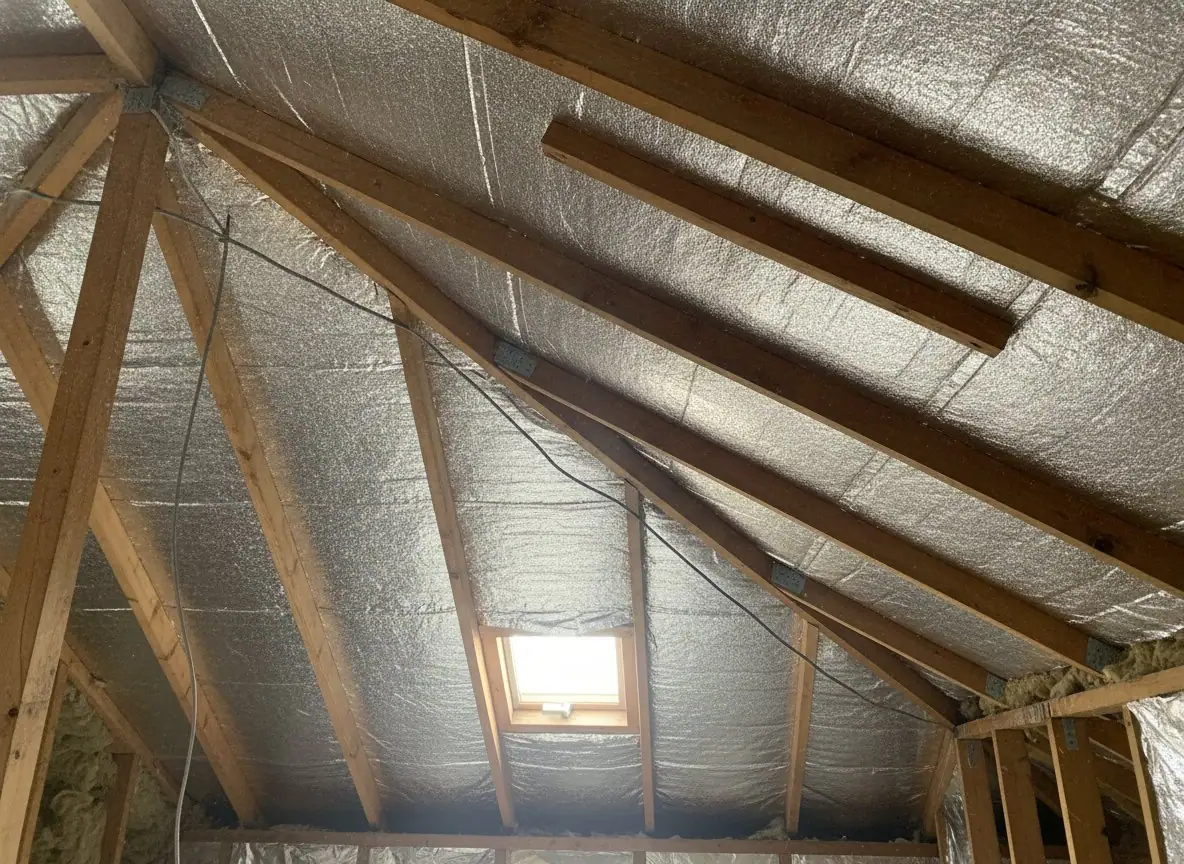
Rockwool insulation is produced by melting basalt rock and recycled industrial slag at temperatures exceeding 2,900°F, then spinning the molten material into dense fibrous batts, boards, or loose-fill products. The resulting material has been used in European construction since the 1930s and gained widespread adoption in North American residential construction over the past two decades, driven by stricter California Title 24 energy codes and growing demand for fire-safe building materials in wildfire-prone and high-risk zones.
Rockwool earns an R-value of approximately R-3.0 to R-3.3 per inch in standard batt form — competitive with fiberglass — but its real advantages lie in performance characteristics that matter most in coastal Southern California environments:
Read moreShow less
- Fire Resistance: Rockwool is naturally non-combustible and can withstand temperatures above 1,400°F without melting, making it compliant with California’s stringent fire codes for both residential and commercial structures.
- Moisture Resistance: Unlike fiberglass batts, Rockwool repels water and does not absorb ambient humidity, preventing mold growth in wall cavities exposed to marine air.
- Acoustic Dampening: The dense fibrous matrix of Rockwool absorbs sound waves across a broad frequency spectrum, achieving Sound Transmission Class (STC) ratings of 45–52 in standard wall assemblies.
- Dimensional Stability: Rockwool batts maintain their shape and R-value over decades without settling or compressing, a critical factor in older building stock where insulation performance has degraded over time.
In El Segundo, Rockwool is particularly well-suited to the city’s inventory of post-World War II residential housing — much of it built between 1945 and 1965 — as well as its commercial and light-industrial buildings along the Douglas Street corridor near the former Douglas Aircraft Company campus. These structures were originally built with minimal insulation standards and benefit enormously from modern Rockwool retrofits that address both energy efficiency and noise control simultaneously.
California Title 24 Part 6 energy standards, updated in 2022, require minimum R-13 wall insulation and R-38 attic insulation for most residential climate zones, including El Segundo’s Climate Zone 7. Rockwool products meet or exceed these thresholds while providing additional fire and acoustic benefits that code minimums alone do not mandate.
Why Rockwool Insulation Is Needed in El Segundo, CA
Marine Layer Humidity and Salt Air Intrusion
El Segundo sits within 0.5 miles of the Pacific Ocean at an average elevation of just 70 feet above sea level. The marine layer — a dense band of cool, moisture-laden air that rolls in from Santa Monica Bay — blankets El Segundo on average 160 days per year, with peak humidity levels regularly exceeding 85% between May and September during “June Gloom” season. This persistent moisture infiltrates wall assemblies, rim joists, and attic spaces in aging homes, causing fiberglass batts to absorb water, lose R-value, and become a breeding ground for mold. Rockwool’s hydrophobic fiber matrix actively sheds this moisture rather than retaining it, making it the insulation of choice for homes within El Segundo’s coastal exposure zone.
LAX Aircraft Noise — A Daily Reality
El Segundo is directly beneath the northern departure corridor of Los Angeles International Airport, which handles over 88 million passengers and 700,000 aircraft operations annually. Residents on streets such as Mariposa Avenue, Grand Avenue, and Eucalyptus Drive experience sustained aircraft noise levels measured at 65–75 decibels (dB) throughout daylight hours, with peak events exceeding 85 dB during heavy traffic periods. The Los Angeles World Airports (LAWA) aircraft noise contour maps published in 2022 place virtually all of El Segundo’s residential neighborhoods within the 65 dB Community Noise Equivalent Level (CNEL) zone. Rockwool insulation installed in attics, exterior walls, and interior partition walls provides measurable noise reduction that standard fiberglass insulation cannot replicate, with STC improvements of 8–12 points in typical retrofit applications.
Chevron Refinery Proximity and Air Quality
The Chevron El Segundo Refinery — the largest oil refinery in California by throughput — operates immediately north of the city’s residential neighborhoods along El Segundo Boulevard. While air quality regulations have improved significantly since the South Coast Air Quality Management District’s tightened standards in the 2010s, the refinery’s operational footprint contributes to localized particulate matter and volatile organic compound (VOC) levels above regional averages. Well-sealed Rockwool insulation systems, combined with proper air barrier installation, help minimize infiltration of outdoor air pollutants into living spaces — a health consideration unique to El Segundo’s industrial-residential interface.
Aging Mid-Century Housing Stock
Approximately 62% of El Segundo’s residential housing units were constructed before 1970, according to Los Angeles County Assessor data. Homes built before California’s 1978 mandatory insulation requirements often contain little to no wall insulation and degraded attic insulation that has settled to an effective R-value well below current Title 24 minimums. The city’s distinctive neighborhoods — including the Imperial Avenue Historic District and the streets surrounding Recreation Park — contain craftsman bungalows, Spanish Colonial Revival homes, and postwar ranch-style houses that require careful retrofit insulation approaches to preserve historic character while achieving modern performance standards.
Free, no-obligation estimates
Talk to Cool Zone Insulation
Tell us what you need and we’ll take it from there.
Signs You Need Rockwool Insulation in El Segundo
Energy Performance Warning Signs
- Monthly utility bills that have increased more than 15% year-over-year without a change in usage habits
- Rooms that fail to maintain consistent temperatures, particularly upstairs bedrooms during summer months when El Segundo attic temperatures can reach 140°F
- HVAC systems cycling more frequently than once per hour during moderate weather
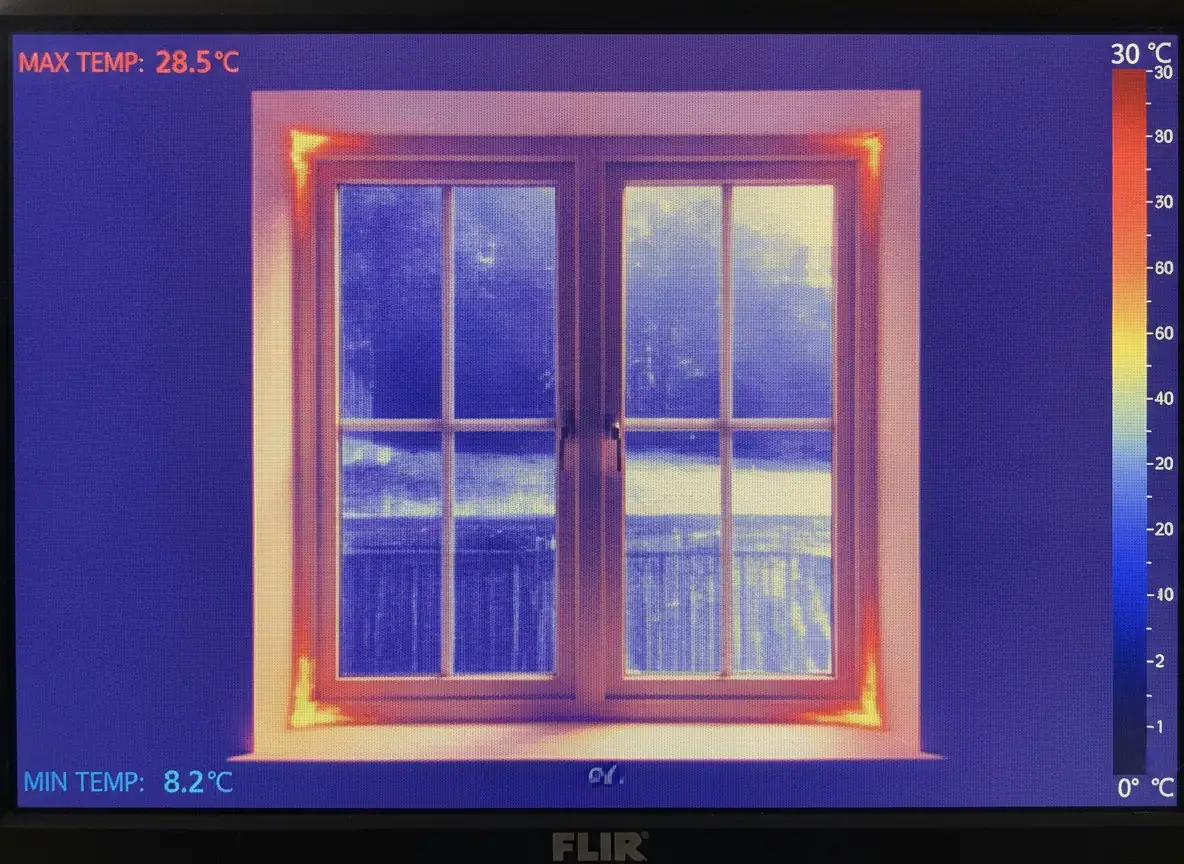
- Drafts near wall outlets, baseboards, or window frames during onshore wind events
Moisture and Air Quality Indicators
- Visible mold or mildew staining on interior wall surfaces, particularly on north-facing exterior walls common in El Segundo’s coastal exposure
- Musty odors in attic spaces or bedrooms after marine layer nights
- Condensation forming on interior wall surfaces during cool, humid mornings
- Pest activity in attic or wall cavities — degraded insulation provides easy nesting material for roof rats, a documented concern in the South Bay area
Acoustic Comfort Concerns
- Aircraft noise clearly audible from inside the home with windows closed
- Difficulty sleeping during early morning LAX departure surges (typically 6:00–9:00 AM)
- Noticeable sound transmission between rooms or floors within multi-unit properties
Structural Age Indicators
- Home built before 1978 with no documented insulation upgrade history
- Attic insulation depth below 10 inches (indicating R-value well under the required R-38)
Rockwool Insulation Methods We Use in El Segundo
Rockwool Batt Installation (Walls and Floors)
The most common Rockwool application for El Segundo’s residential retrofits. Pre-cut Rockwool Comfortbatt or Safe’n’Sound batts are fitted between 2×4 or 2×6 wall studs and floor joists. This method is ideal for open-wall renovation projects and attic kneewalls in the many split-level and raised-foundation ranch homes in El Segundo’s Smoky Hollow-adjacent residential streets. Typical R-values achieved: R-15 in 2×4 walls, R-23 in 2×6 walls.
Rockwool Board Insulation (Continuous Exterior)
Rockwool Comfortboard rigid mineral wool panels are installed as a continuous exterior insulation layer over sheathing during re-siding projects. This method eliminates thermal bridging through studs — a significant energy loss pathway in older El Segundo homes — and provides an additional moisture-resistant barrier against coastal humidity. Applied in 1-inch to 2-inch thicknesses, adding R-4 to R-8 per layer.
Combined Rockwool and Spray Foam Hybrid Systems
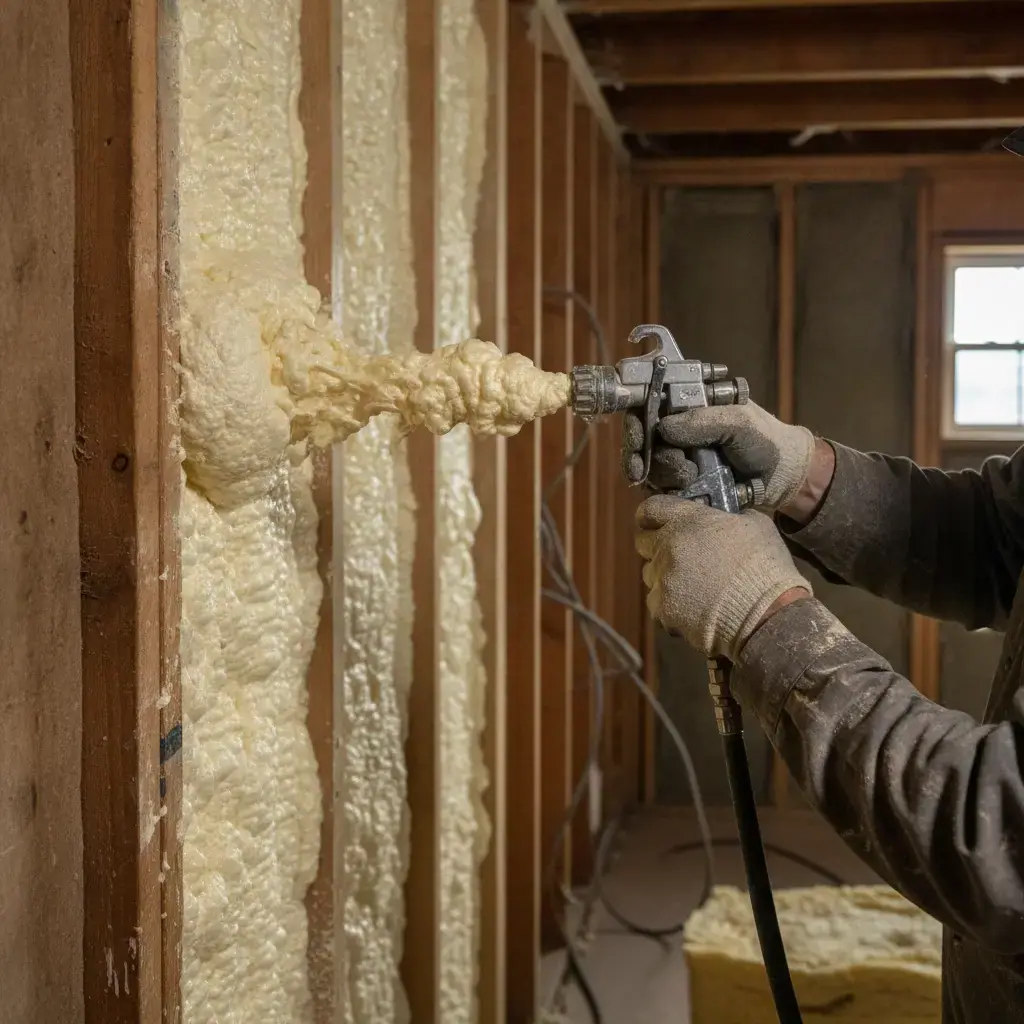
For El Segundo crawl spaces and rim joist areas where moisture and air sealing are both critical, we combine closed-cell spray foam insulation with Rockwool batts. A 1-inch spray foam layer provides the air and vapor barrier, while Rockwool adds the bulk insulation value — delivering superior performance in the damp subfloor environments found beneath El Segundo’s older raised-foundation homes.
Attic Rockwool Coverage
For attic insulation applications, Rockwool batts are laid between and perpendicular to ceiling joists to achieve required R-38 coverage per Title 24. In homes with complex attic geometries — common in El Segundo’s 1950s California ranch-style housing — our team uses cut-and-cobble techniques to achieve full coverage in irregular bays and around HVAC ductwork.
Rockwool Insulation Cost in El Segundo, CA
Understanding the investment required for Rockwool insulation in El Segundo helps homeowners and property managers make informed decisions. The following ranges reflect current South Bay market conditions and material costs as of 2024.
Typical Cost Ranges
- Attic Rockwool Insulation (per square foot): $2.50–$4.50, with most 1,500 sq ft attic projects totaling $3,750–$6,750
- Exterior Wall Rockwool Batt Retrofit (per square foot of wall): $3.00–$5.50, depending on access method and wall assembly
- Crawl Space Rockwool and Spray Foam Hybrid: $4,500–$9,000 for a typical El Segundo raised-foundation home
- Interior Partition Wall Sound Insulation (per linear foot): $8–$15, including labor and material
- Full Home Rockwool Retrofit (walls, attic, and floors): $12,000–$28,000 depending on square footage and complexity
Read moreShow less
Factors That Affect Rockwool Insulation Cost in El Segundo
- Existing Insulation Removal: Add $1.00–$2.00 per square foot if degraded or contaminated insulation must be removed first
- Attic Access Complexity: Homes with limited attic access hatches or low-pitch rooflines common in El Segundo’s ranch-style housing require additional labor time
- Building Age and Framing: Pre-1950 homes with irregular stud spacing may require custom-cut Rockwool batts, increasing material waste and labor hours
- LAX Noise Mitigation Upgrades: Specifying Rockwool Safe’n’Sound (optimized for acoustic performance) in all exterior walls adds approximately $0.50–$1.00 per square foot over standard Comfortbatt
California homeowners may be eligible for rebates through the TECH Clean California program and Southern California Edison’s Energy Efficiency programs, which can offset $500–$2,500 of qualifying insulation project costs. Call us at (310) 861-9135 for a detailed, no-obligation estimate for your El Segundo property.
El Segundo and South Bay Neighborhoods We Serve
El Segundo — Imperial Avenue and Downtown Core
El Segundo’s downtown core, centered on Main Street and Imperial Avenue, contains some of the oldest residential housing in the city — including Craftsman bungalows and Spanish Colonial Revival homes built between 1917 and 1940. These properties commonly have no original wall insulation and deteriorated attic insulation, requiring comprehensive Rockwool retrofits combined with careful air sealing to avoid disturbing original plaster wall systems.
Manhattan Beach and Hermosa Beach
These adjacent coastal cities share El Segundo’s marine humidity challenges with the added complexity of beach-proximity salt spray corrosion and premium real estate values that demand high-performance, low-disruption insulation solutions. Rockwool’s moisture resistance makes it the preferred choice for renovations in these oceanfront and walk-street communities.
Hawthorne and Lawndale
Inland from El Segundo, Hawthorne and Lawndale feature dense neighborhoods of postwar tract housing built between 1950 and 1975. These homes frequently have undersized original insulation and benefit significantly from Rockwool attic upgrades and blow-in insulation in hard-to-reach wall cavities.
Torrance and Redondo Beach
These larger South Bay communities include a wide range of building vintages — from 1950s garden apartments near Torrance’s Old Town to contemporary single-family homes in Redondo Beach’s Hollywood Riviera neighborhood. Our teams regularly serve both older retrofit projects and new construction insulation work throughout these areas. We also serve Marina del Rey, Playa del Rey, Westchester, Culver City, Gardena, Inglewood, Ladera Heights, and Palos Verdes Estates.
Rockwool Insulation Maintenance Tips for El Segundo Homeowners
- Inspect Attic Annually Each Fall: Check Rockwool batt coverage before winter marine layer season intensifies. Look for displaced batts around HVAC equipment or signs of pest nesting activity.
- Monitor Attic Moisture Levels: Use an inexpensive humidity monitor in your attic. Readings consistently above 60% during El Segundo’s June–September marine layer season indicate ventilation deficiencies that need correction to protect insulation performance.
- Seal New Penetrations Promptly: Any new plumbing, electrical, or HVAC penetration through insulated assemblies should be air-sealed immediately. Unsealed penetrations in El Segundo homes can allow significant marine air infiltration.
- Keep Attic Vents Clear of Debris: Santa Ana wind events deposit eucalyptus leaves and other debris into soffit and ridge vents. Blocked vents trap moisture and heat, stressing insulation performance.
- Check Crawl Space Vapor Barriers Annually: For homes with crawl space encapsulation, inspect vapor barrier integrity and look for standing water after winter rain events, which are common in El Segundo’s coastal low-elevation terrain.
- Avoid Compressing Rockwool Batts: If accessing attic storage areas, do not compress Rockwool insulation under boards or stored items. Compression reduces R-value permanently.
- Schedule a Professional Re-Assessment Every 10 Years: Building codes evolve and energy efficiency opportunities improve. A decade-interval professional inspection ensures your Rockwool system continues to meet current California Title 24 standards.
Why Choose Cool Zone Insulation for Rockwool in El Segundo?
Cool Zone Insulation is a South Bay-based insulation contractor with deep working knowledge of El Segundo’s specific building stock, coastal climate conditions, and regulatory environment. Our team understands the difference between insulating a 1950s ranch home on Mariposa Avenue — where original knob-and-tube wiring considerations and plaster walls require careful technique — and a modern commercial property along the Douglas Street aerospace corridor.
We specialize in the full spectrum of insulation services relevant to El Segundo property owners: attic insulation, spray foam insulation, crawl space insulation, insulation removal and replacement, and blow-in insulation — in addition to Rockwool batt and board systems.
Read moreShow less
Every project we complete in El Segundo is performed with attention to California Title 24 Part 6 compliance, LAX noise mitigation performance, and the moisture management demands of the coastal South Bay environment. We provide detailed written documentation for every installation so you have a clear record for resale, permit, or insurance purposes.
Ready to experience the Rockwool difference? Call Cool Zone Insulation at (310) 861-9135 for your free El Segundo property assessment.
FAQ
Frequently Asked Questions — Rockwool Insulation in El Segundo, CA
How much does Rockwool insulation cost in El Segundo?
Rockwool insulation in El Segundo typically costs between $2.50 and $5.50 per square foot installed, depending on the application (attic, wall, crawl space), the scope of any required insulation removal, and the specific Rockwool product selected. A standard attic insulation project for a 1,500 square foot El Segundo home ranges from $3,750 to $6,750. Contact us at (310) 861-9135 for a precise estimate tailored to your property.
Is Rockwool better than fiberglass for El Segundo homes near LAX?
Yes, significantly. Rockwool’s dense fibrous structure absorbs sound across a broader frequency range than fiberglass, achieving STC ratings 8–12 points higher in comparable wall assemblies. For El Segundo homeowners in the LAX 65 dB CNEL noise contour zone — which covers virtually all of the city — Rockwool Safe’n’Sound is the recommended insulation product for exterior walls and attic assemblies.
How long does Rockwool insulation last?
Rockwool insulation is designed to last the lifetime of the building. Unlike fiberglass, which can settle and lose effective R-value over 20–30 years, Rockwool maintains its dimensional stability and rated performance indefinitely under normal conditions. It does not absorb moisture, does not support mold growth, and does not degrade in the coastal humidity environment common in El Segundo.
Can Rockwool be installed in older El Segundo homes without opening walls?
In many cases, yes. For closed wall cavities in older El Segundo homes, we can use blow-in insulation methods that require only small access holes drilled through exterior siding or interior drywall. However, Rockwool batt products are best suited to open-wall applications. Our assessors will evaluate the most effective approach for your specific home during the free on-site consultation.
Does Rockwool insulation help with mold problems caused by El Segundo’s marine layer?
Rockwool’s hydrophobic (water-repelling) fiber matrix prevents moisture absorption, which eliminates the primary condition that allows mold to establish in insulation systems. While Rockwool itself will not mold, it is essential that underlying moisture intrusion issues — such as roof leaks, condensation from inadequate vapor management, or crawl space groundwater — are addressed before or during insulation installation to achieve lasting results.
How long does a Rockwool insulation installation take in El Segundo?
Most residential Rockwool insulation projects in El Segundo are completed in one to two days. A straightforward attic insulation project typically takes four to six hours. Full-home retrofits involving wall, attic, and crawl space work may require two to three days. Commercial projects are scoped individually based on building size and access requirements.
Is Rockwool insulation fire-safe for El Segundo homes near the Chevron refinery?
Rockwool is one of the most fire-safe insulation materials available. It is naturally non-combustible, carries a Class A fire rating, and can withstand temperatures above 1,400°F without melting or contributing to flame spread. This makes it an excellent choice for El Segundo properties in proximity to industrial operations and for any California home subject to the state’s increasingly stringent fire safety codes.
What El Segundo neighborhoods does Cool Zone Insulation serve?
We serve all El Segundo neighborhoods, including the Downtown Core, the Imperial Avenue Historic District, and residential streets throughout the city. Our broader South Bay service area includes Manhattan Beach, Hermosa Beach, Redondo Beach, Hawthorne, Lawndale, Torrance, Gardena, Inglewood, Culver City, Westchester, Playa del Rey, Marina del Rey, Ladera Heights, and Palos Verdes Estates.
Get Your Free Rockwool Insulation Estimate in El Segundo Today
El Segundo homeowners and commercial property managers deserve insulation that addresses the real challenges of coastal humidity, LAX aircraft noise, and aging building stock — not generic solutions designed for inland conditions. Cool Zone Insulation delivers Rockwool insulation systems engineered for the South Bay environment, installed by technicians who know El Segundo’s neighborhoods, building types, and climate demands inside and out.
Don’t let marine air, jet noise, or sky-high utility bills define your indoor environment. Contact Cool Zone Insulation today to schedule your complimentary on-site assessment and written estimate.
We serve El Segundo and all surrounding South Bay communities. Same-week appointments available. Let’s build a more comfortable, energy-efficient, and quieter home — starting today.
Get in touch
Find insulation help near you
Request a free estimate online or give us a call — our team will follow up quickly.
- Call us(310) 861-9135
- Visit2333 Utah Ave, El Segundo, CA 90245
- HoursMon-Sun 07:00-19:00