Blown-In Attic Insulation in El Segundo, CA
Energy-Saving Blown-In Attic Insulation for El Segundo, CA Homes — Licensed & Insured
Get expert blown-in attic insulation in El Segundo, CA. Cool Zone Insulation delivers R-38 results for South Bay homes. Free estimate—call (310) 861-9135.
Blown-in attic insulation is a high-performance insulation method that uses a machine to distribute loose-fill insulation material—typically fiberglass or cellulose—evenly across your attic floor, filling gaps, voids, and hard-to-reach spaces that traditional batt insulation simply cannot address. The result is a continuous thermal barrier that dramatically reduces heat transfer between your living spaces and the outside environment.
In El Segundo, CA, where the coastal marine layer rolls in off Santa Monica Bay and the nearby Los Angeles International Airport creates constant vibration stress on building materials, having properly installed attic insulation is not a luxury—it is a necessity. The unique combination of salt-laden coastal air, oscillating humidity levels, and the urban heat island effect from surrounding industrial corridors makes blown-in insulation one of the most effective solutions available to El Segundo homeowners.
Read moreShow less
At Cool Zone Insulation, our team specializes in delivering expert blown-in attic insulation solutions tailored specifically to the architectural styles, climate conditions, and energy demands of El Segundo and the broader South Bay region. Call us today at (310) 861-9135 to schedule your free assessment.
Understanding Blown-In Attic Insulation
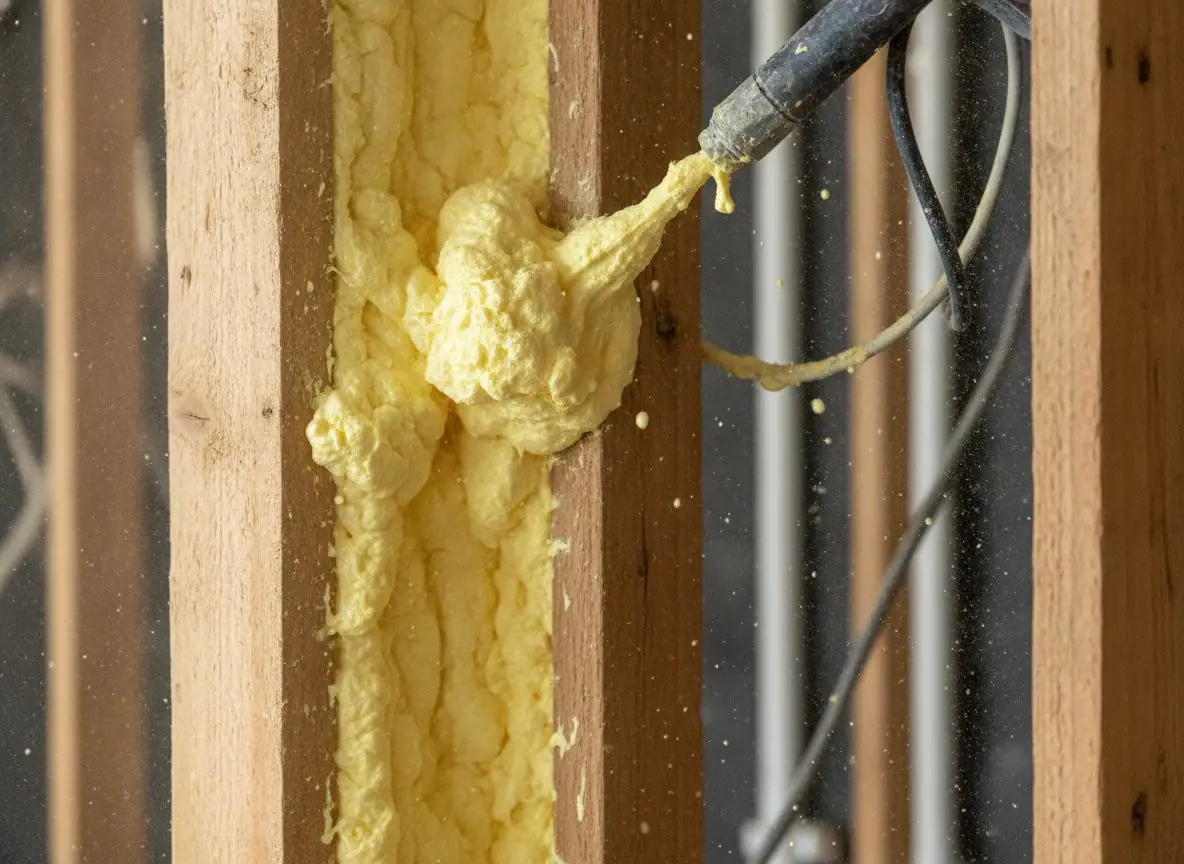
Blown-in attic insulation—also known as loose-fill insulation—is a method of insulating an attic space by pneumatically blowing loose insulation material through a flexible hose and distributing it uniformly across the attic floor between and over the joists. The two most common materials used are cellulose (made from recycled paper treated with fire retardants) and fiberglass (spun glass fibers). Each material offers distinct advantages depending on the specific conditions of the structure being insulated.
Historically, insulation standards in Southern California lagged behind colder regions of the country because the mild climate meant heating costs were relatively low. However, as cooling costs have skyrocketed in recent decades and energy codes have been updated through California’s Title 24 Building Energy Efficiency Standards, attic insulation has become a critical component of any energy-efficient home in the region. The current California Energy Code recommends a minimum R-value of R-38 for attics in Climate Zone 8, which covers El Segundo—a standard that older homes in the city frequently fail to meet.
Read moreShow less
El Segundo’s housing stock is diverse. The city features a significant number of post-World War II bungalows and ranch-style homes built between the 1940s and 1960s, many of which were constructed before modern insulation standards existed. These homes often have little to no attic insulation, or insulation that has degraded to a fraction of its original R-value. Additionally, there are mid-century apartment buildings near Main Street and newer construction near the Douglas Street corridor. Blown-in insulation is ideal for all of these building types because it conforms to irregular joist spacing, fills around existing wiring and plumbing penetrations, and can be installed without removing existing materials in most cases.
The technique is also well-suited for retrofit applications—adding insulation to an existing attic without a complete renovation—making it the preferred method for upgrading the thousands of older homes throughout El Segundo that were built before Title 24 requirements existed. Learn more about our attic insulation services
Why Blown-In Attic Insulation Is Needed in El Segundo, CA
The Marine Layer and Humidity Cycling
El Segundo is positioned approximately 0.5 miles from the Pacific Ocean shoreline, placing it squarely within the June Gloom zone that blankets the South Bay from late May through early July each year. During this period, dense marine layer clouds keep overnight temperatures in the low-to-mid 60s°F while afternoon temperatures can spike to the mid-80s°F once the cloud cover burns off. This daily temperature cycling—sometimes as much as 20°F to 25°F within a single 24-hour period—causes repeated thermal expansion and contraction in attic materials. Over time, this stress degrades batt insulation, pulling it away from joists and creating thermal bridges. Blown-in insulation, by contrast, maintains consistent coverage regardless of minor structural movement.
Salt Air Corrosion and Moisture Intrusion
The salt-laden air that flows inland from Santa Monica Bay accelerates corrosion of metal fasteners, roofing materials, and HVAC components housed in El Segundo attics. This corrosion can create micro-gaps around roof penetrations and at the junctions of roofing materials, allowing conditioned air to escape and outdoor air to infiltrate. In neighborhoods like the Richmond Street Historic District and the residential blocks along Penn Street near the El Segundo Unified School District campuses, many original 1940s-era homes show significant air sealing deficiencies that allow annual energy losses exceeding $400 to $800 per household.
LAX Noise and Vibration Stress
El Segundo sits directly under the primary approach and departure flight paths for Los Angeles International Airport (LAX), one of the busiest airports in the world. Homes along streets such as Eucalyptus Drive, Mariposa Avenue, and Imperial Avenue experience regular low-frequency vibration from aircraft passing as low as 600 to 900 feet overhead. This constant mechanical stress loosens batt insulation batts from their friction-fit positions between joists over time. Blown-in cellulose or fiberglass does not rely on friction-fitting and therefore maintains its position and coverage under these conditions far more reliably.
Urban Heat Island Effect from Industrial Corridors
El Segundo’s eastern edge borders major commercial and industrial zones including the Chevron El Segundo Refinery, one of the largest refineries in California, as well as the sprawling Los Angeles Air Force Base. The heat generated by these industrial operations, combined with the dark asphalt surfaces of adjacent parking lots and roadways along El Segundo Boulevard and Sepulveda Boulevard, contributes to localized urban heat island temperatures that can run 4°F to 7°F warmer than surrounding neighborhoods on summer afternoons. This additional heat load makes attic temperatures in eastern El Segundo particularly extreme—attic temperatures during summer afternoons commonly exceed 140°F—placing enormous strain on cooling systems and dramatically increasing energy costs for homes without adequate attic insulation.
Aging Housing Stock Below Code
The California Energy Commission estimates that a significant portion of pre-1978 homes across the South Bay region have attic insulation at or below R-11—less than 30% of the currently recommended R-38 minimum for Climate Zone 8. In El Segundo, where the majority of single-family residential construction occurred between 1945 and 1975, this translates to thousands of homes operating with severely under-insulated attics and paying significantly more than necessary for heating and cooling each year.
Free, no-obligation estimates
Talk to Cool Zone Insulation
Tell us what you need and we’ll take it from there.
Signs You Need Blown-In Attic Insulation in El Segundo
Energy and Comfort Indicators
- Monthly Southern California Edison bills consistently higher than comparable neighbors, particularly during June through September cooling season
- Rooms on the top floor of your home feel significantly warmer in summer and cooler in winter than ground-floor rooms
- Your HVAC system runs continuously without reaching the set thermostat temperature
- Noticeable drafts near ceiling fixtures, attic access hatches, or recessed lighting
Visual and Physical Symptoms
- Visible attic insulation that appears thin, matted, dirty, or compressed below the top of your attic joists (joists visible above insulation indicate insufficient depth)
- Insulation with a dusty gray appearance rather than the original white or light-colored material, indicating it has been filtering air for decades
- Water stains or dark discoloration on insulation indicating past or active moisture intrusion from roof leaks
- Pest activity or pest droppings visible in attic insulation—a common issue given El Segundo’s proximity to landscaped areas along the Chevron Tank Farm open space
Urgency Indicators
- Attic insulation that has settled below R-19 requires immediate attention to comply with California Title 24 energy standards
- Any visible mold growth on attic insulation or sheathing requires emergency remediation before re-insulation
- Insulation dating from before 1980 may contain vermiculite with asbestos—do not disturb without professional testing
Our process
Our Blown-In Attic Insulation Process in El Segundo
At Cool Zone Insulation, we follow a structured, thorough process to ensure every blown-in attic insulation project in El Segundo delivers maximum performance and long-term durability.
- 01
Free On-Site Attic Assessment (1–2 Hours)
Our technician visits your El Segundo home to inspect your current attic conditions. We measure existing insulation depth and R-value, identify air leakage points, check for moisture damage, assess attic ventilation, and document any pest activity or structura
- 02
Air Sealing and Preparation (2–4 Hours)
Before any insulation is installed, we air seal all penetrations in the attic floor—around plumbing stacks, electrical wiring, recessed light fixtures, and HVAC ducts. This step is critical in El Segundo homes because decades of LAX vibration exposure often cr
- 03
Ventilation Baffle Installation (1–2 Hours)
We install cardboard or foam ventilation baffles at each rafter bay along the eave line to maintain the critical 1-inch minimum airway from soffit vents to the attic space. Coastal El Segundo homes are particularly vulnerable to soffit vent blockage from salt
- 04
Equipment Setup and Material Delivery (30–60 Minutes)
Our professional-grade blowing machine is positioned outside the home, typically in the driveway, with flexible hoses run through the attic access hatch. We use premium cellulose or fiberglass material selected based on your specific attic conditions, moisture
- 05
Blown-In Insulation Installation (2–4 Hours)
Our technicians install depth markers throughout the attic and systematically distribute insulation from the far eaves toward the access hatch, achieving the target R-38 minimum depth specified by California Title 24 for El Segundo’s Climate Zone 8. Typical de
- 06
Final Inspection and Documentation (30–60 Minutes)
We conduct a final depth measurement at multiple points across the attic floor, photograph the completed installation, and provide you with a completion certificate documenting the R-value achieved—documentation that may be required for California rebate progr
- 07
Site Cleanup (30 Minutes)
We remove all equipment, dispose of packaging materials responsibly, and ensure your home is left clean and undisturbed. Total project timeline for a typical El Segundo single-family home is typically one full day.
Blown-In Insulation Methods and Approaches
Dry Blown-In Cellulose
The most common method used in El Segundo residential attics. Dry cellulose is pneumatically distributed across the attic floor to achieve uniform coverage. It is made from 80% or more recycled content and treated with borate-based fire and pest retardants. Cellulose achieves an R-value of approximately R-3.5 per inch. It is particularly effective at blocking air infiltration and is well-suited for the older, irregular-framing found in El Segundo’s mid-century homes. One consideration in coastal environments like El Segundo is moisture sensitivity—we always pair cellulose installation with proper vapor management strategies.
Blown-In Fiberglass
Fiberglass loose-fill achieves approximately R-2.5 per inch and excels in situations where moisture risk is elevated—such as in El Segundo homes near the beach or in low-lying areas near the Dominguez Channel corridor where humidity is consistently higher. Fiberglass does not absorb moisture, making it an excellent choice for attics with a history of minor roof leaks or condensation issues.
Dense-Pack Blown-In (Wall and Rafter Cavities)
For El Segundo homeowners seeking to insulate sloped rafter cavities in Cape Cod-style attic rooms or insulate existing wall cavities without opening drywall, dense-pack blown-in is the solution. Material is blown at higher pressure to achieve densities of 3.5 lbs per cubic foot or greater, eliminating settling and providing excellent air sealing simultaneously. Compare with spray foam insulation options
Blow-In Batt System (BIBS)
The BIBS system uses a fabric netting stapled across framing bays before fiberglass is blown in under pressure behind the netting. This creates a uniform, void-free insulation layer ideal for new construction projects in El Segundo’s developing Douglas Street mixed-use corridor.
Blown-In Attic Insulation Cost in El Segundo, CA
Understanding the cost of blown-in attic insulation helps El Segundo homeowners budget appropriately and recognize fair market pricing for this region.
Typical Cost Ranges
- Basic blown-in insulation (upgrade to R-19): $1,200 – $1,800 for a typical 1,000–1,500 sq ft attic
- Full upgrade to California Title 24 R-38: $1,800 – $2,800 for a 1,000–1,500 sq ft attic
- Large home attic (2,000–3,000 sq ft): $3,000 – $5,500 including air sealing
- Insulation removal plus re-insulation: $2,500 – $5,000 depending on existing material and attic size
Key Cost Factors
- Current insulation depth: Attics with no existing insulation require more material than top-up projects
- Attic accessibility: Shallow-pitch attics common in El Segundo’s 1950s ranch homes may require additional labor
- Air sealing scope: Homes with extensive penetrations from older plumbing and knob-and-tube electrical systems require more prep time
- Insulation material choice: Cellulose is generally 10–15% less expensive than fiberglass per square foot
Read moreShow less
El Segundo-Specific Pricing Notes
Labor costs in the South Bay region, including El Segundo, typically run 10–15% higher than the Los Angeles County average due to higher local wages and contractor overhead. However, California utility rebates through Southern California Edison’s Energy Upgrade California program can offset project costs by $200 to $600 depending on the scope of work and income qualifications. Call us at (310) 861-9135 for a free, no-obligation estimate specific to your El Segundo home. Learn about insulation removal and replacement costs
El Segundo Neighborhoods We Serve
Richmond Street Historic District
This charming residential neighborhood features some of El Segundo’s oldest housing stock, with craftsman bungalows and Colonial Revival homes dating from the 1920s and 1930s. Many of these homes have original plaster ceilings directly below poorly insulated attic spaces. Blown-in cellulose is the preferred solution here because it can be installed without disturbing original architectural details.
The Tree Section (Palm, Sycamore, Cedar, Eucalyptus)
El Segundo’s beloved “Tree Section” neighborhood features well-maintained post-WWII ranch homes built primarily between 1945 and 1965. These homes frequently have attic insulation at R-11 or below and benefit enormously from blown-in upgrades to R-38. The canopy cover in this area also creates elevated moisture conditions that favor fiberglass blown-in material.
Imperial Avenue Corridor
Homes along and near Imperial Avenue sit closest to LAX approach paths and experience the highest vibration stress of any residential area in El Segundo. This neighborhood requires particular attention to air sealing before insulation installation, as vibration has loosened virtually all friction-fit insulation installations over time.
We also proudly serve homeowners in Manhattan Beach, Hawthorne, Redondo Beach, and throughout the South Bay.
Attic Insulation Maintenance Tips for El Segundo Homeowners
- Annual attic inspection: Check your attic each spring before the summer cooling season for signs of pest intrusion, moisture damage, or displaced insulation—particularly important after El Segundo’s winter storm season (December through March).
- Keep soffit vents clear: El Segundo’s coastal debris and salt deposits can clog soffit vents, eliminating the ventilation that protects your insulation from moisture buildup. Clear vents at least annually.
- Inspect after significant weather events: After rare but impactful rain events like the atmospheric river storms of January 2023, inspect your attic for any signs of roof leakage that may have saturated insulation.
- Address roof repairs promptly: Even minor roof leaks can saturate blown-in cellulose and dramatically reduce its R-value. Schedule roof repairs before the rainy season.
- Seal attic access hatches: Ensure your attic access hatch has a properly insulated cover—this is one of the most common sources of heat loss in El Segundo homes.
- Monitor HVAC ducts: Have attic ductwork inspected every 3–5 years for leakage, as leaking ducts release heat directly into the attic, accelerating insulation degradation.
- Pest management: Work with a licensed pest control company to maintain rodent exclusion, as rodents can tunnel through and contaminate blown-in insulation.
Why Choose Cool Zone Insulation in El Segundo
Cool Zone Insulation is a locally operated insulation company serving El Segundo and the entire South Bay region. Our team has deep familiarity with the specific building types, climate conditions, and energy code requirements that define insulation work in El Segundo—from the salt-air challenges of properties near the beach to the vibration stress of homes beneath LAX flight paths.
We specialize in the full spectrum of insulation services relevant to South Bay homeowners, including blow-in insulation, spray foam insulation, crawl space insulation, crawl space encapsulation, and insulation removal and replacement. This breadth of expertise means we can address every insulation need your home has under one roof.
Read moreShow less
Our technicians follow California Title 24 energy code requirements and stay current with Southern California Edison and SoCalGas rebate programs that can reduce your out-of-pocket cost. We provide detailed written quotes, clear project timelines, and thorough post-installation documentation. We treat every El Segundo home we work in with the same care we would give our own.
Ready to improve your home’s comfort and lower your energy bills? Call us at (310) 861-9135.
FAQ
Frequently Asked Questions About Blown-In Attic Insulation in El Segundo
How much does blown-in attic insulation cost in El Segundo, CA?
Most El Segundo homeowners pay between $1,800 and $3,500 for a complete blown-in attic insulation project that brings their home up to the California Title 24 R-38 standard. Smaller top-up projects on newer homes with some existing insulation may cost $1,000 to $1,500. Larger homes or those requiring significant air sealing work can reach $4,000 to $5,500. Contact us at (310) 861-9135 for a precise quote for your home.
How long does blown-in attic insulation installation take in El Segundo?
A typical El Segundo single-family home with a 1,200 to 1,800 square foot attic floor can be fully insulated in one day, including air sealing preparation. Larger homes or those with complex attic geometry may require two days. We work around your schedule and minimize disruption to your household.
Do El Segundo homes really need R-38 attic insulation given the mild climate?
Yes. While El Segundo’s winters are mild, summer attic temperatures regularly exceed 130°F to 145°F, placing enormous strain on air conditioning systems. California’s Title 24 energy code mandates a minimum of R-38 for attics in Climate Zone 8 (which includes El Segundo) for good reason—homes that meet this standard typically see 20% to 35% reductions in cooling costs compared to under-insulated homes.
Is cellulose or fiberglass blown-in insulation better for El Segundo’s coastal climate?
Both materials work well, but the choice depends on your specific situation. Cellulose offers superior air sealing performance and is more environmentally friendly. Fiberglass is more moisture-resistant, making it a better choice for El Segundo homes with history of roof leaks, high humidity attics, or those within two to three blocks of the ocean. Our assessment will help determine which is right for your home.
Will blown-in insulation help reduce noise from LAX aircraft?
Blown-in insulation primarily provides thermal performance, but dense-fill cellulose does offer some acoustic attenuation as a secondary benefit. For meaningful noise reduction from LAX aircraft, we recommend combining attic insulation with window upgrades and additional soundproofing measures. That said, many El Segundo homeowners report that a more comfortable thermal envelope—with reduced HVAC cycling—makes the overall indoor noise environment more manageable.
How do I know if my El Segundo home already has enough attic insulation?
The simplest check is to look into your attic with a flashlight and a ruler. If you can see the tops of your attic joists (typically 2×6 or 2×8 lumber, or 5.5 to 7.25 inches tall), your insulation is almost certainly below R-19 and likely needs upgrading. If your insulation is level with or above the joists, you may already be at or near R-30 to R-38. A professional assessment with depth measurement and thermal imaging will give you a definitive answer.
Are there rebates available for blown-in attic insulation in El Segundo?
Yes. Southern California Edison offers rebates through the Energy Upgrade California program for qualifying insulation upgrades. Rebate amounts vary by project scope and household income level, but can range from $200 to $600 or more. Additionally, federal tax credits under the Inflation Reduction Act of 2022 allow homeowners to claim up to 30% of insulation project costs (up to $1,200 per year) on their federal income taxes. We can provide documentation to support both utility rebate applications and tax credit claims.
Do you remove old insulation before installing blown-in insulation?
Not always. In many cases, existing degraded insulation can remain in place and new blown-in material is installed on top, as long as the old insulation is dry, free of mold, and does not contain hazardous materials. However, if existing insulation is pest-contaminated, moldy, water-damaged, or contains potentially hazardous materials like vermiculite, complete removal is required before re-insulation. Our initial assessment will determine the appropriate approach for your El Segundo home. Learn more about our insulation removal services
Get Your Free Blown-In Attic Insulation Estimate in El Segundo Today
Don’t let another Southern California summer pass with an under-insulated attic driving up your energy bills and reducing your home’s comfort. Cool Zone Insulation is ready to help El Segundo homeowners achieve maximum energy efficiency with professional blown-in attic insulation services tailored to the unique demands of our coastal South Bay climate.
Whether your home is a 1950s ranch in the Tree Section, a craftsman in the Richmond Street Historic District, or a newer construction near the Douglas Street corridor, our team has the expertise and equipment to deliver results that meet California Title 24 standards and stand up to the specific challenges of El Segundo’s environment.
Call us now at (310) 861-9135 to schedule your free, no-obligation attic assessment. Our team serves El Segundo and all surrounding South Bay communities including Manhattan Beach, Hawthorne, Redondo Beach, Torrance, and Inglewood.
Get in touch
Find insulation help near you
Request a free estimate online or give us a call — our team will follow up quickly.
- Call us(310) 861-9135
- Visit2333 Utah Ave, El Segundo, CA 90245
- HoursMon-Sun 07:00-19:00